
How to Finish the Inside of a Metal Building: Practical and Stylish Ideas
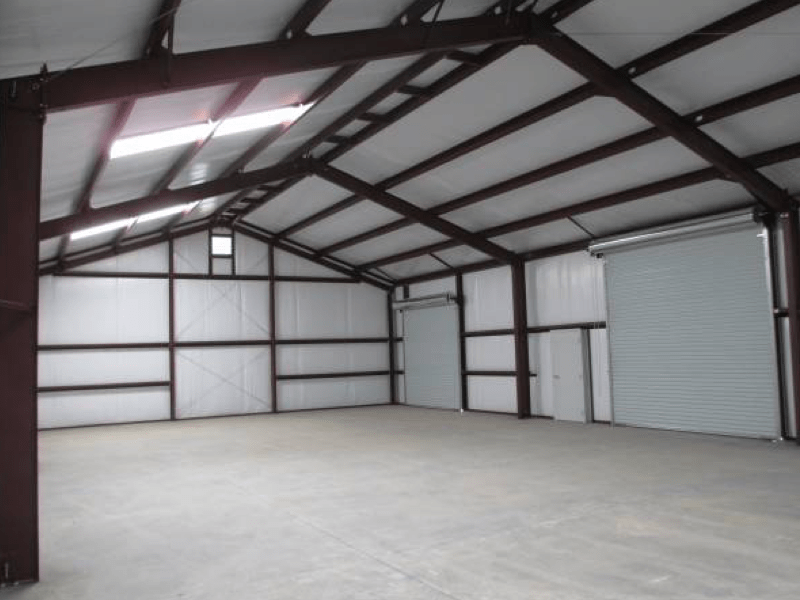
When it comes to maximizing the value of your metal structure, knowing how to finish the inside of a metal building makes all the difference. Whether it’s for a workshop, home office, or storage space, a well-planned interior not only enhances comfort but also boosts functionality and appearance.
In this guide, we’ll walk you through practical steps, from insulation and framing to flooring and lighting, helping you transform your metal structure into a space that feels complete and livable.
Why Interior Finishing Matters
Finishing the inside of your metal building isn’t just about looks, it’s about usability. A bare metal interior can be noisy, poorly insulated, and prone to condensation. Proper interior finishing improves energy efficiency, comfort, and sound control.
When you finish inside a metal building, you also add resale value. It turns a simple steel structure into a personalized, functional space suitable for living, working, or storage.
Planning the Interior Layout
Before picking up any tools, plan your building layout carefully. Determine how each section of the building will be used – office space, workshop, living area, or storage.
Creating zones helps you map out where walls, outlets, and lighting systems should go. If you’re converting a metal building interior into a home or workspace, consider accessibility and natural light flow for maximum comfort.
Tip: Sketch your layout or use simple digital design tools to visualize your setup before construction begins.
Framing and Insulation Basics
Framing provides structure for walls, ceilings, and fixtures, while insulation helps regulate temperature. For metal buildings, you can use wood or steel studs, depending on your budget and design preference.
When it comes to insulation and framing, spray foam insulation is a popular choice because it seals gaps and prevents moisture buildup. You can also use batt or rigid foam boards for an affordable option.
If you’re DIY-ing this process, measure precisely and ensure your framing supports wall panels, shelves, or cabinetry later.
Electrical and Plumbing Setup
Setting up electrical and plumbing systems inside a metal structure requires some planning. Always consult licensed professionals for safety and compliance with local codes.
For electricals, consider installing conduit wiring that runs along the framing. For plumbing, PVC or PEX pipes are durable and flexible, perfect for running through narrow spaces.
Remember to plan your wiring and pipe layout before adding insulation or walls to avoid rework later.
Wall and Ceiling Finishing Options
Once the internal framework is ready, it’s time to choose how you want your walls and ceiling to look.
Some of the best materials for metal wall panels include:
- Drywall: Great for a home-like look and easy to paint.
- Wood paneling: Adds warmth and rustic appeal.
- Metal sheets: Keep a modern, industrial vibe.
- Plywood: A cost-effective choice for workshops or storage.
You can mix materials too, for instance, drywall for living spaces and metal panels for work areas.
Flooring Choices for Metal Buildings
The right flooring makes a huge difference in both style and comfort. When finishing the inside of a metal building, your options depend on the building’s use and budget.
Popular flooring choices include:
- Concrete: Durable and ideal for garages or warehouses.
- Vinyl: Budget-friendly and easy to maintain.
- Epoxy coating: Adds shine and resists stains.
- Laminate or wood: Best for home conversions and offices.
If insulation is a concern, consider adding foam boards or underlayment beneath your flooring to keep the space warm and soundproof.
Adding Lighting and Ventilation
A well-lit and ventilated interior improves comfort and usability. LED lighting systems are efficient and long-lasting, making them perfect for large metal spaces.
Add skylights or large windows where possible to bring in natural light. For ventilation, roof vents, ceiling fans, and exhaust systems help control airflow and moisture, especially in workshops or storage units.
If your building doesn’t have built-in openings, portable ventilation systems can also work effectively.
Interior Design and Aesthetic Touches
Once your structure is insulated, wired, and paneled, it’s time to bring in personality.
Simple interior metal building ideas can transform the space:
- Paint walls in light colors to make the area look bigger.
- Use rugs or decorative panels for warmth and character.
- Add furniture that fits your space’s purpose – office desks, workbenches, or couches.
- Include plants or wall art to soften the industrial look.
If you’re converting a metal building interior into a living space, blending modern fixtures with rustic metal finishes can create a beautiful contrast.
Conclusion
Finishing the inside of a metal building is about balancing practicality with creativity. With the right planning, materials, and design choices, your metal structure can become a fully functional and visually appealing space.
Whether you’re taking the DIY route or partnering with professionals, prioritize insulation, lighting, and thoughtful design to create a space that lasts. These details make all the difference, whether you’re researching how much does a 100×100 metal building cost or learning what is wainscoting on a metal building to elevate your project’s finish.
Explore Metal Building options or Get in touch with us at QE Buildings to discuss your next interior project today.
FAQs
1. How do you finish the inside of a metal building?
You start with framing and insulation, then move to wiring, plumbing, and wall finishing. Add flooring, lighting, and design touches for a complete setup.
2. What materials work best for interior metal walls?
Drywall, wood panels, and metal sheets are top choices, depending on your desired look and budget.
3. Can I add drywall or wood paneling to steel walls?
Yes, you can install drywall or wood paneling over framed walls using insulation and moisture barriers for better results.
4. How do you insulate a metal building before finishing?
Spray foam, batt, or rigid foam board insulation can be used to regulate temperature and prevent condensation.
5. What’s the best flooring option for a metal structure?
Concrete, epoxy, or vinyl work well for durability, while wood or laminate is ideal for residential use.
6. How do you handle wiring and plumbing in a metal building?
Use conduit wiring and PEX or PVC pipes, installed before adding insulation and wall panels.
7. Can I make a metal building look like a traditional home inside?
Absolutely! With drywall, flooring, lighting, and décor, you can easily create a cozy, home-like interior.