
How Much Does a Metal Building Cost in 2025?
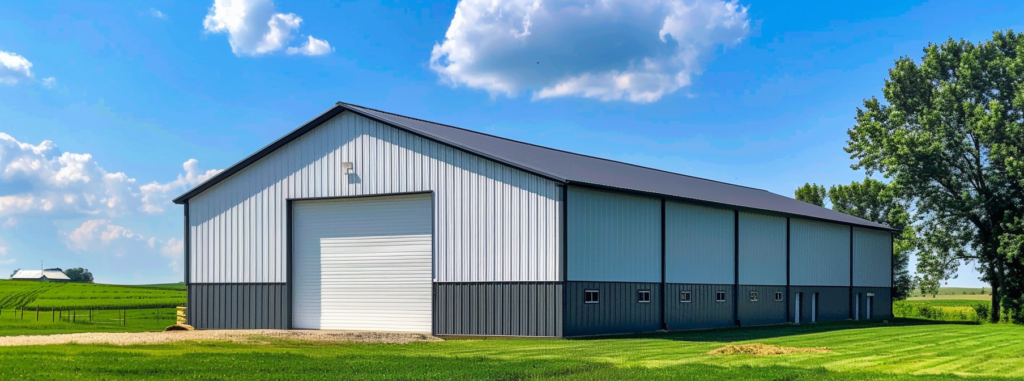
So you’re eyeing a metal building but stuck on the price tag? You’re not alone. Metal buildings are everywhere now, from slick garages to full-blown workshops, and the cost can swing hard depending on what you want.
The good news? You don’t need to be an engineer or a finance bro to figure it out. This guide breaks down the numbers, shows you what drives the cost up or down, and helps you spot where you can save without cutting corners. Think of it as the cheat sheet that makes planning your build way less confusing.
Key Takeaway
Metal buildings are affordable, durable, and versatile. Costs depend on size, design, materials, location, and add-ons. A simple design saves money, while upgrades increase long-term value.
How much does a metal building cost?
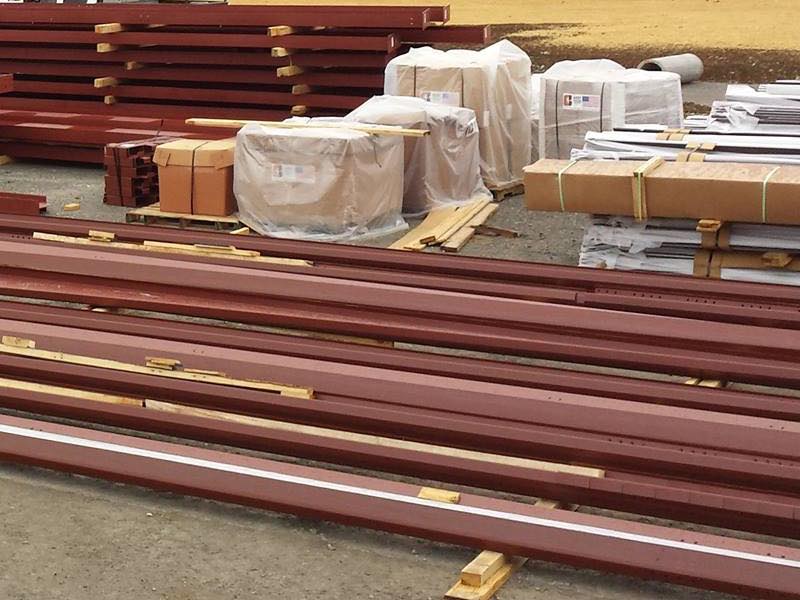
The cost of a metal building varies by size, design, and features. Prices depend on customisation, location, and extras, not a fixed amount.
What Is a Metal Building?
A metal building is exactly what it sounds like, a structure framed and finished with steel. You’ll see them used for everything from garages and barns to warehouses and modern homes. The appeal is simple, they’re tough, reliable, and quicker to build than traditional options.
People go for metal buildings because they offer strength that holds up against rough weather, while being low maintenance and easier on your wallet. You’re not just getting a shell, you’re getting a setup that can flex from a small shed to a full-scale workspace.
They’re no longer locked into farm or factory vibes either. Today, you’ll find them reimagined as slick workshops, home gyms, and even high-end hangout spots. If you want space that’s durable, versatile, and fuss-free, a metal building checks every box.
Average Cost of a Metal Building
Metal buildings don’t come with a one-size-fits-all price tag. On average, you’re looking at anywhere from $15 to $30 per square foot for the base structure. That means a simple 30×50 garage could run you around $25,000 to $45,000 before add-ons.
Of course, the final number depends on your taste and needs. Want insulation, fancy doors, or a custom design that screams “flex”? Those upgrades will push the price higher. On the flip side, keeping things minimal keeps costs closer to the lower range.
Location also plays a role. Building in a metro area usually costs more than setting one up in a rural spot. Materials, labour, and permits stack differently depending on where you live. Bottom line, metal buildings are generally cheaper and faster to build than traditional structures, and the price flexes based on how simple or extra you decide to go.
Key Factors That Influence Metal Building Prices
The cost of a metal building isn’t just about square footage, there are layers to it. Size is the most obvious driver. A bigger footprint demands more steel, more labour, and a higher overall bill. That said, price per square foot often drops as the building gets larger, so scaling up sometimes stretches your dollar further.
Design is another key player. A basic box-shaped garage is cheap and quick. Add custom rooflines, skylights, or mezzanines, and suddenly you’re paying for style as well as structure. Every tweak to the blueprint adds both complexity and cost.
Materials also shift the numbers. Standard steel keeps prices down, but heavier gauge panels, premium coatings, or higher-grade insulation will nudge the budget north. These extras can be worth it if you want a building that lasts longer and cuts energy bills over time.
Location is a sneaky factor many forget. Labour costs vary wildly between regions, and permit fees can stack up depending on your local building codes. Plus, if you’re far from a steel supplier, delivery charges can sting.
Lastly, don’t ignore add-ons. Doors, windows, HVAC systems, and interior finishes all push the cost up. While the base structure might look affordable on paper, outfitting it to fit your lifestyle or business needs is where expenses really climb.
In short, size, design, materials, location, and extras all play a role in shaping the final price. Knowing where you’re willing to splurge and where you’re cool with keeping it simple is the cheat code to getting the building you want without blowing your budget.
Cost Breakdown by Building Size
Size sets the tone for your budget, and the numbers scale quickly. A small metal building, say 20×30, usually falls in the $10,000 to $20,000 range depending on finishes. It’s the go-to size for personal garages or storage, and the lower square footage keeps costs manageable.
Step up to something mid-sized like a 30×50, and you’re in the $25,000 to $45,000 zone. This size works well for workshops, small businesses, or multi-car garages. While the total price climbs, the cost per square foot often dips, so you’re getting more bang for your buck.
Large structures like a 50×100 push the investment to $75,000 to $150,000. These builds suit warehouses, commercial spaces, or big agricultural setups. The upfront price is hefty, but the per-square-foot cost usually comes in at the lower end of the spectrum.
In short, the bigger the building, the more you’ll pay overall, but each square foot typically costs less. That’s why many people stretch their plans larger if they can, locking in extra space without dramatically hiking the price per foot.
Additional Costs to Consider
The base price of a metal building only tells half the story. You’ll also need to budget for the extras that make it usable. Site prep is the first hidden cost, since clearing land, grading, and laying a foundation can add thousands.
Utilities come next. Running electrical, plumbing, or HVAC into your building isn’t included in that shiny square-foot estimate. If you’re planning on year-round use, insulation and climate control quickly become non-negotiable.
Permits and fees are another factor. Every city has its own rules, and paperwork often comes with a price tag. Don’t forget interior finishes either. Concrete floors, office space, or even a polished bathroom can double what you thought you’d spend.
The takeaway? That “cheap” metal building price online is just the starting line. The true cost depends on how finished and functional you want the space to be.
Metal Buildings vs. Other Construction Costs
Stack a metal building against wood or brick, and the difference shows fast. Metal buildings usually land in the $15 to $30 per square foot range, while traditional construction can hit $100 or more. That’s a major gap if you’re chasing square footage without draining your wallet.
Speed also plays into the savings. Steel kits go up in weeks, not months, which means lower labour costs and fewer delays. Wood framing or masonry builds often drag out, and time is money when crews are on the clock.
Maintenance tips the scales further. Metal doesn’t rot, warp, or attract termites like wood. It also stands stronger against storms compared to brick in some cases. Over the long haul, you’ll spend less on repairs and upkeep.
So while the upfront spend on a metal building is lower, the real flex is how much you save over decades.
How to Save Money on a Metal Building
Cutting costs on a metal building doesn’t mean cutting corners. The easiest win is keeping the design simple. A clean box layout with minimal custom features stays budget-friendly and still gets the job done.
Timing your build also matters. Steel prices fluctuate, so locking in materials when rates dip can shave thousands off your total. Shopping around for suppliers and comparing quotes ensures you’re not overpaying for the same structure.
DIY where you can, or at least handle some of the prep. Clearing land or managing small interior finishes yourself reduces labour costs. Just don’t overreach into areas that need pros, or mistakes will cost more to fix.
Lastly, think long-term. Spending a little more on quality insulation or durable finishes can save you big on energy bills and repairs. Smart choices upfront keep your budget intact for years down the line.
FAQs About Metal Building Costs
1. Are metal buildings cheaper than traditional construction?
Yes. On average, they run $15–$30 per square foot, far less than wood or brick builds.
2. What drives the price up the most?
Size, custom design, and add-ons like insulation, HVAC, or fancy finishes are the biggest cost boosters.
3. Do I need a foundation?
Absolutely. A concrete slab is standard and usually adds several thousand to your total.
4. How much does a 30×50 building cost?
Expect $25,000–$45,000, depending on location, materials, and extras.
5. Are there ongoing costs?
Maintenance is minimal compared to wood, but utilities, insurance, and interior upgrades add up over time.
Conclusion – Finding the Right Balance of Cost & Quality
A metal building is more than just steel and bolts, it’s a long-term investment. The trick is balancing what you need now with what you’ll appreciate later. Go too cheap, and you’ll regret skipping basics like insulation or a proper foundation. Splurge on every upgrade, and suddenly your “budget-friendly” project feels like a luxury loft.
The sweet spot sits somewhere in the middle. Focus on a solid structure, then add features that bring real value, like energy efficiency or storage flexibility. That way, you’re spending smart instead of just spending.
Metal buildings stand out for their unbeatable durability, adaptability, and cost-efficiency compared to traditional construction methods. When you plan strategically balancing both budget and quality you can create a structure that perfectly fits your lifestyle today while offering room to grow in the future. Whether you’re exploring how much does a 80×100 metal building cost or diving into a Step-by-Step Guide: Installing Your Metal Building Kit, the key lies in blending high-end vision with everyday practicality.
If you’re ready to start your next building project, explore Metal Building options from QE Buildings or get in touch with us for expert support.