Metal buildings have become one of the most efficient and durable construction choices across the U.S. Whether you’re planning a garage, workshop, warehouse, or residential space, understanding how much a metal building kit costs is the first step toward budgeting your project wisely.
This guide walks you through everything you need to know, from average pricing to the factors that impact costs, helping you make an informed decision before you buy.
Understanding Metal Building Kits
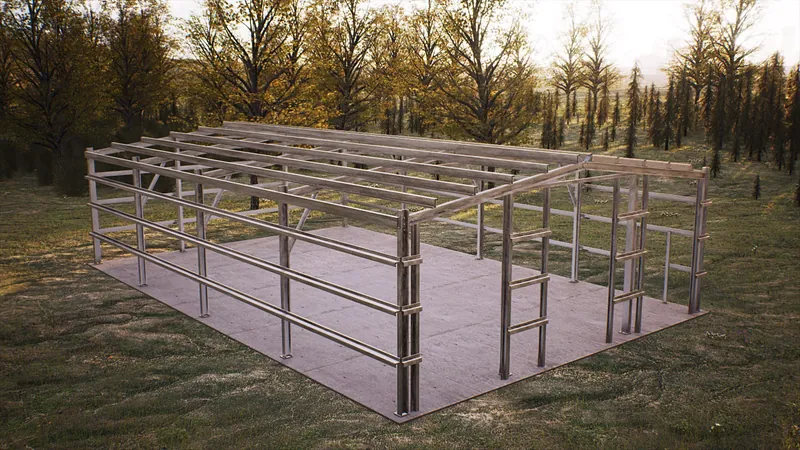
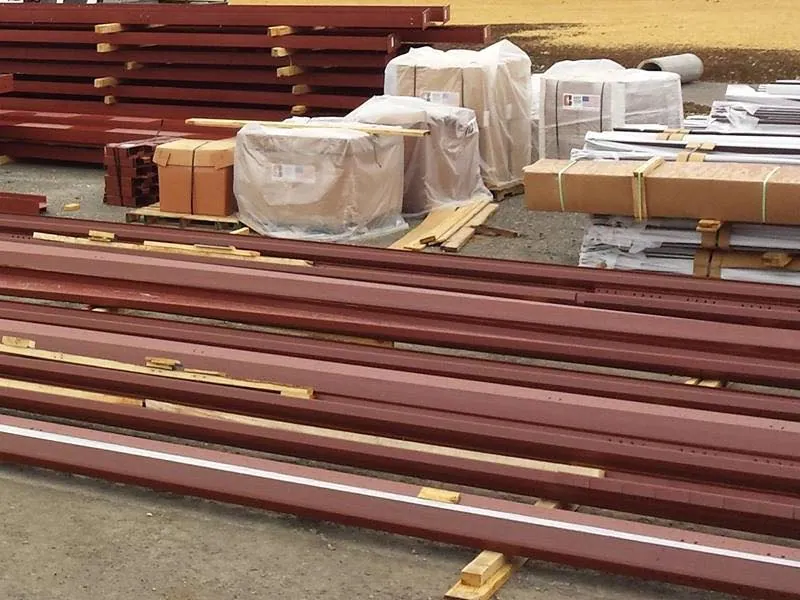
A metal building kit is a prefabricated steel structure that comes with all the necessary materials for assembly – framing, panels, fasteners, and instructions. These kits are designed to be cost-effective, easy to assemble, and long-lasting.
Unlike traditional construction, metal building kits arrive pre-engineered and ready to install, which reduces labor costs and construction time. They’re available in various sizes and layouts, making them ideal for both residential and commercial projects.
Whether you’re looking for a small storage shed or a large industrial warehouse, steel building kit options can be customized to meet your space and functionality needs.
Average Cost Range Explained
So, how much does a metal building kit cost on average? In the U.S., prefab steel building prices typically range from $15 to $30 per square foot, depending on the building size, design complexity, and materials used.
Here’s a quick estimate based on common project types:
| Building Type | Average Cost per Sq. Ft. | Example Size | Estimated Total Cost |
| Small Garage or Workshop | $15 – $25 | 20×30 | $9,000 – $15,000 |
| Mid-Size Storage or Barn | $20 – $28 | 30×50 | $30,000 – $45,000 |
| Large Commercial Building | $25 – $35 | 50×100 | $125,000 – $175,000 |
These numbers cover the steel structure price only and may not include labor, site prep, insulation, or interior finishes. Still, they provide a reliable base for estimating total U.S. building costs.
Factors That Affect Pricing
While size plays a big role, several other factors influence how much your metal building kit costs:
- Building Size and Height
Larger buildings require more steel and framing, which naturally increases total cost. - Design Complexity
Custom features like skylights, mezzanines, or special roof designs can add to your construction materials cost. - Material Quality
Premium-grade steel and corrosion-resistant finishes may increase the upfront price but reduce maintenance expenses over time. - Insulation and Weatherproofing
Adding insulation, vapor barriers, or coatings improves energy efficiency but adds a few dollars per square foot. - Location and Delivery
Transportation and regional steel prices can vary significantly across the U.S., impacting final cost per square foot. - Add-ons and Customizations
Doors, windows, and ventilation systems are optional features that enhance functionality but affect overall pricing.
When comparing prices, always request detailed quotes that outline every inclusion to avoid hidden costs later.
Material and Frame Options
The choice of material and framing design also impacts how much your metal building kit costs. Most metal buildings are made of galvanized steel, known for its strength and long lifespan.
Here are the most common frame types:
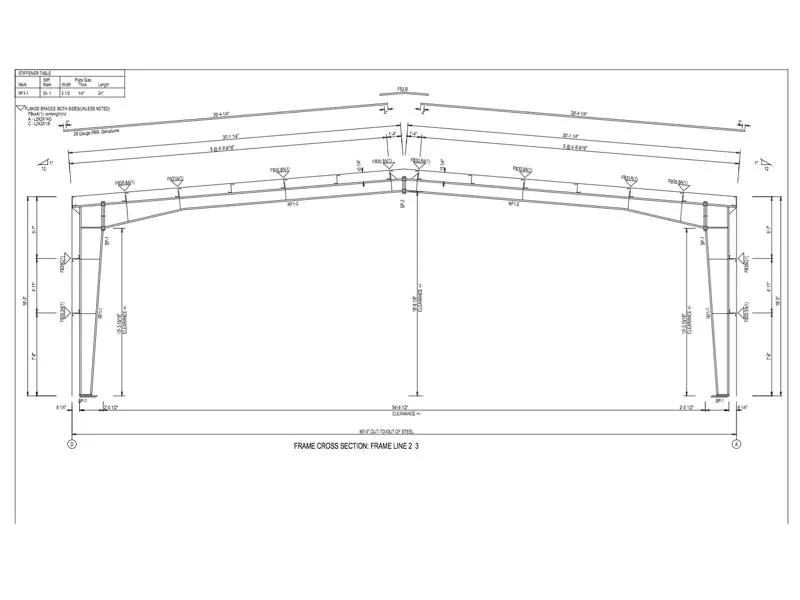
- Rigid Frame: Ideal for large commercial buildings with wide spans.
- Tube Steel Frame: Affordable and easy to assemble, perfect for garages or small workshops.
Arch Frame (Quonset Hut): Offers strong wind resistance and quick installation for agricultural or storage buildings.
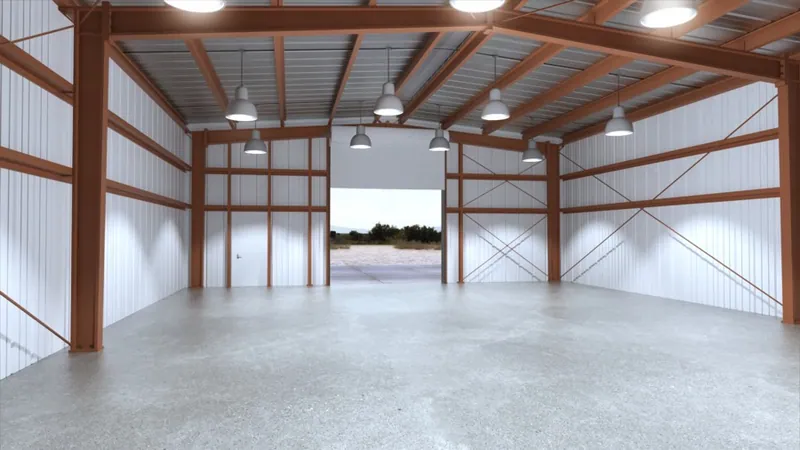
Each option has its own cost range and benefits. Rigid frames are typically more expensive but provide maximum open space. Tube frames are more economical but limited in height.
When planning your build, weigh the long-term benefits of durability and maintenance savings over the initial steel structure price.
Residential vs Commercial Applications
Metal building kits are versatile and suit both residential and commercial needs. The cost difference mainly lies in size, design, and usage.
Residential Metal Buildings:
Homeowners often use smaller kits for garages, workshops, or home offices. Prices generally range from $10,000 to $40,000, depending on size and finishing.
Commercial Metal Buildings:
Businesses use larger kits for warehouses, manufacturing facilities, or retail spaces. These can range from $50,000 to $200,000 or more, depending on custom requirements.
No matter the purpose, metal buildings continue to be among the most cost-effective options in modern construction. They’re quicker to assemble, simpler to maintain, and more durable than traditional wood structures, whether you’re researching how much does a 40×80 metal building cost or planning how to install windows in a metal building for added functionality.
Conclusion
Metal building kits offer a practical, durable, and cost-effective way to build anything from a backyard shed to a commercial warehouse. By understanding how much a metal building kit costs, and the factors that influence pricing, you can budget confidently and choose the right design for your needs.
Explore our Metal Building options or Get in touch with us today to plan your next project with QE Buildings.
FAQs
1. How much does a metal building kit cost on average?
On average, a metal building kit in the U.S. costs between $15 and $30 per square foot, depending on design, materials, and location.
2. What factors influence the price of a metal building kit?
Size, material quality, customization, insulation, and regional steel prices all affect the total cost.
3. Are installation and materials included in the kit cost?
Most kits include structural components and fasteners, but installation, site prep, and finishing are typically separate costs.