
What Is Wainscoting on a Metal Building? Purpose, Benefits, and Design Ideas
When you think about improving a metal building’s exterior, wainscoting might not be the first thing that comes to mind. But once you see how it transforms both appearance and durability, it’s easy to understand its growing popularity. So, what is wainscoting on a metal building, and how can it benefit your structure?
Let’s break it down step by step, from understanding its function to exploring design ideas that make your steel building stand out.
Understanding Metal Building Wainscoting
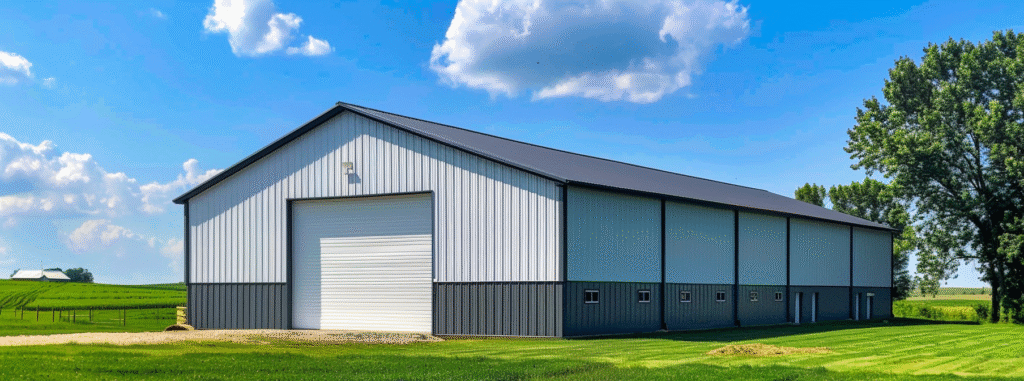
Wainscoting on a metal building is a protective and decorative feature that covers the lower portion of the exterior wall, usually three to four feet high. It’s made from steel siding panels or decorative metal wall panels and serves both aesthetic and functional purposes.
In simple terms, metal wainscoting acts like a protective armor for your building’s base. It shields the lower walls from mud, dirt, water splashes, and damage caused by lawn equipment or vehicles. At the same time, it gives your building a more polished, professional appearance, making it a practical and stylish upgrade for any structure.
Purpose and Functional Benefits
Adding wainscoting on a metal building is about more than looks. It’s a smart design choice that provides real-world advantages.
Here are some key benefits:
- Protection from everyday wear: The base of a building is often exposed to dirt, moisture, and physical impact. Wainscoting helps prevent damage and corrosion in those vulnerable areas.
- Simple maintenance: If a section gets damaged, you can replace only the lower panels instead of the entire wall.
- Enhanced appearance: A contrasting wainscot color creates visual balance and gives the building a more refined finish.
- Added value: Improved protection and curb appeal can increase your property’s long-term value.
- Design flexibility: From bold colors to realistic textures, you can customize your wainscot design to fit your brand or building style.
Whether it’s a commercial warehouse, agricultural barn, or workshop, steel building wainscot panels combine protection and personality in one solution.
Common Materials Used for Wainscoting
The right material can make all the difference when it comes to performance and style. Below are some of the most common choices for metal wainscoting:
- Steel siding panels: Durable, weather-resistant, and low maintenance. Ideal for most metal buildings.
- Aluminum panels: Lightweight and corrosion-resistant, suitable for humid or coastal climates.
- Decorative metal wall panels: Offer texture and visual appeal with stone, brick, or wood finishes.
- Stone veneer: Adds a natural, rugged look while protecting the lower wall.
At QE Buildings, steel siding panels are often recommended because they offer the best mix of durability, affordability, and design versatility.
Installation and Maintenance Tips
Installing wainscoting on a metal building is a straightforward process when done by professionals, but attention to detail ensures a flawless finish.
Installation Steps:
- Measure the desired wainscot height evenly around the structure.
- Attach base trim to create a secure foundation.
- Align and fasten the wainscot panels with precision.
- Add transition trim between the upper and lower panels for a seamless look.
Maintenance Tips:
- Rinse with mild detergent to remove dirt and debris.
- Inspect regularly for scratches, dents, or rust.
- Repaint or replace damaged panels promptly to maintain appearance and protection.
By keeping up with simple maintenance, your metal building exterior finishes will continue to look great and perform well for years.
Color and Texture Combinations
Color plays a big role in design. Wainscoting allows you to experiment with color contrast and texture to elevate your building’s style.
Popular combinations include:
- Light gray siding with charcoal or black wainscot for a modern industrial feel.
- White siding with green or brown wainscot for barns and agricultural buildings.
- Neutral siding with stone-textured panels for a classic, elegant touch.
Adding texture with decorative metal wall panels can bring depth and dimension, making your structure more visually appealing and distinct.
Wainscot Height and Style Options
The ideal wainscot height depends on the building’s purpose and location. Typically, 3 to 4 feet is a standard height that offers ample protection without overpowering the design.
Common styles include:
- Horizontal wainscot: Provides a smooth, continuous look ideal for large buildings.
- Vertical wainscot: Adds visual height and structure, great for smaller buildings.
- Stone or decorative finishes: Perfect for enhancing curb appeal and breaking up uniform surfaces.
You can also explore building design customization by combining different panel types and finishes to create a look that matches your vision.
Conclusion
Adding wainscoting to a metal building is one of the simplest ways to improve both durability and design. It protects against damage, reduces maintenance, and enhances your building’s appearance, all while offering flexible design options.
If you’re planning a new steel building or upgrading an existing one, adding wainscoting is a great way to boost both protection and curb appeal. It’s a worthwhile enhancement especially when you’re exploring how much does a 80×100 metal building cost or comparing options for what is the best insulation for a metal building to ensure long-term performance.
Ready to start customizing your metal structure? Explore more Metal Building options or Get in touch with us today. Our team at QE Buildings can help you design a building that perfectly fits your vision.
FAQs
1. What does wainscoting mean on a metal building?
It refers to the lower section of the wall that uses steel or decorative panels for both protection and aesthetic enhancement.
2. Why should I add wainscoting to my steel structure?
It provides an extra layer of defense against dirt, moisture, and damage while improving visual appeal.
3. What materials are typically used for metal wainscoting?
Steel siding panels, aluminum panels, and decorative metal wall panels are common options.
4. Does wainscoting add protection or just improve looks?
Both. It shields the lower walls from damage while creating a clean, finished design.
5. How high should wainscoting be on a building wall?
Usually between 3 to 4 feet, depending on your structure’s needs and desired appearance.