
What Is the Best Insulation for a Metal Building? A Complete Updated Guide
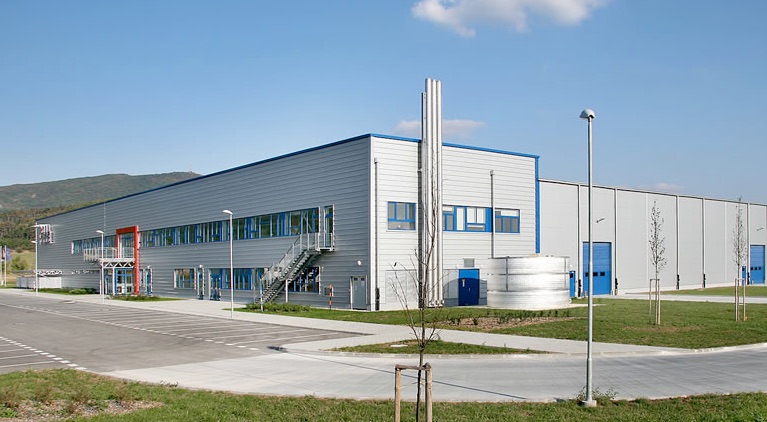
When planning a metal building, one of the most common questions is: what is the best insulation for a metal building? Insulation plays a vital role in maintaining comfort, controlling condensation, and improving energy efficiency. Without proper insulation, metal structures can easily lose heat, develop moisture issues, and increase utility costs.
In this guide, we’ll explore the top insulation materials, how they work, and which type might be right for your building needs.
Why Insulation Is Essential
Insulation isn’t just about temperature control, it’s about protecting your investment. Metal conducts heat quickly, so without insulation, your building can get too hot in the summer and too cold in the winter.
Here’s why proper metal building insulation matters:
- Temperature Regulation: Keeps interiors comfortable year-round.
- Condensation Control: Prevents moisture from forming and causing rust or mold.
- Energy Efficiency: Reduces heating and cooling costs significantly.
- Soundproofing: Minimizes outside noise for a quieter workspace.
- Structural Protection: Helps maintain the building’s longevity by controlling internal humidity.
Simply put, good insulation transforms a steel structure into a comfortable, efficient, and long-lasting space.
Understanding Metal Building Heat Transfer
Metal buildings experience heat transfer through conduction, convection, and radiation.
- Conduction: Heat passes directly through the metal surface.
- Convection: Warm air rises and escapes through uninsulated gaps.
- Radiation: The sun’s heat impacts walls and roofs directly.
Effective insulation reduces all three types of heat transfer, improving metal building energy efficiency while keeping indoor temperatures stable.
Fiberglass vs. Spray Foam
Two of the most popular insulation options for metal buildings are fiberglass and spray foam. Each has unique advantages depending on your budget, location, and building use.
Fiberglass Insulation
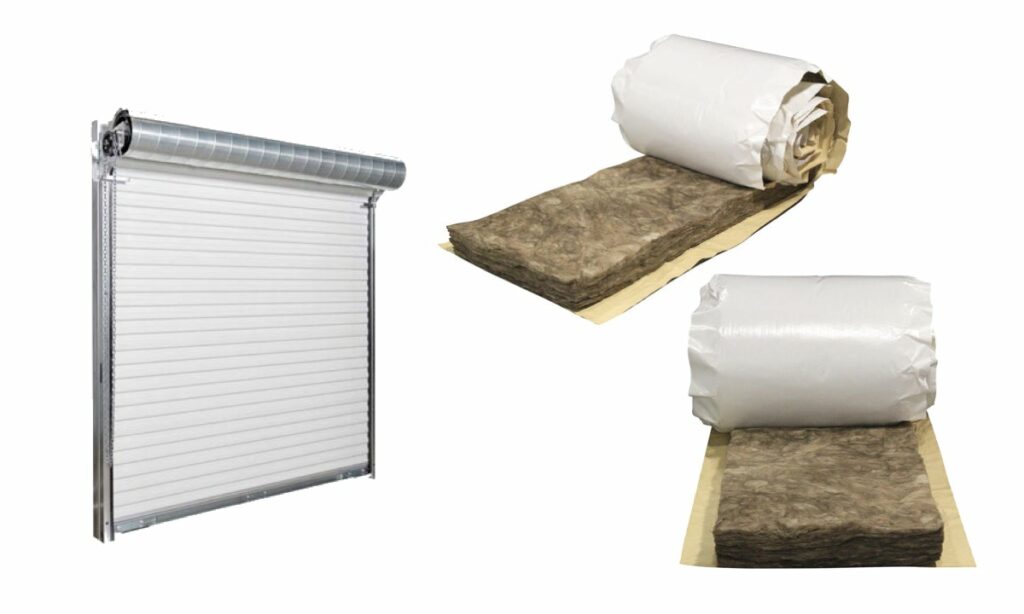
Fiberglass is one of the most affordable and widely used materials. It’s available in batts or rolls, making it easy to install during construction.
Pros:
- Cost-effective and easy to replace
- Excellent for large wall and roof spans
- Non-flammable and long-lasting
Cons:
- Can absorb moisture if not properly sealed
- Requires a vapor barrier to prevent condensation
Fiberglass remains a go-to choice for many metal structures, especially when combined with radiant barrier insulation.
Spray Foam Insulation
Spray foam insulation for steel buildings provides a high-performance seal. It expands on application, filling gaps and cracks to eliminate air leaks.
Pros:
- Superior air and moisture seal
- High R-value for better temperature control
- Ideal for retrofitting older metal buildings
Cons:
- More expensive than fiberglass
- Requires professional installation
When it comes to energy efficiency, spray foam typically outperforms fiberglass, though it may not always fit smaller budgets.
Reflective and Radiant Barriers
A radiant barrier insulation is another excellent option for metal buildings, particularly in warmer climates. Made from reflective aluminum foil, these barriers reflect heat away from the structure instead of absorbing it.
Best uses:
- Metal building roofs exposed to direct sunlight
- Reducing summer heat gain in large storage or warehouse facilities
When paired with fiberglass or spray foam, radiant barriers significantly boost overall energy efficiency and comfort levels inside the building.
Types of Insulation Materials
Here’s a breakdown of the most common insulation materials used for metal buildings:
| Insulation Type | Description | Typical Use |
| Fiberglass Batts | Affordable and easy to install | Walls, roofs, ceilings |
| Spray Foam | Expands to seal gaps | Walls, roofs, existing structures |
| Reflective Foil (Radiant Barrier) | Reflects radiant heat | Roofs and exterior walls |
| Rigid Foam Panels | Provides structural strength | Wall panels and ceilings |
| Insulated Metal Panels (IMPs) | All-in-one wall and insulation system | Commercial and industrial buildings |
Each type serves a different purpose depending on the building design and climate zone.
Insulation for Roof and Walls
Roof and wall insulation play distinct but equally important roles in overall performance.
- Roof Insulation: Reduces heat gain from sunlight and prevents condensation buildup. Spray foam and reflective barriers are highly effective for this purpose.
- Wall Insulation: Helps maintain interior comfort and reduce sound transfer. Fiberglass batts or rigid foam panels are ideal for walls.
Combining different insulation materials can deliver optimal performance. For example, using spray foam on the roof and fiberglass on the walls improves both energy efficiency and durability. It’s a smart approach whether you’re reviewing what is the average cost of a 40×60 metal building or learning how to seal the bottom of a metal building to maximize protection.
Conclusion
Choosing the right insulation can make all the difference in your building’s performance and comfort. Whether you opt for fiberglass insulation for metal, spray foam insulation steel, or a radiant barrier system, the key is matching the material to your climate and usage needs.
Looking to build or upgrade your insulated metal structure? Get in touch with us today. At QE Buildings, we offer a range of metal building options with tailored insulation solutions for maximum efficiency and value.
FAQs
1. What type of insulation works best for metal buildings?
Spray foam and fiberglass are the most popular, while radiant barriers work best for high-heat climates.
2. Is spray foam or fiberglass better for steel structures?
Spray foam offers better air sealing and insulation value, but fiberglass is more budget-friendly.
3. How does insulation prevent condensation in metal buildings?
It creates a thermal barrier that keeps surfaces warm, reducing moisture buildup and preventing rust.
4. What is the recommended R-value for my climate zone?
It depends on your region, but typically R-13 to R-30 is ideal for walls and roofs.
5. Can I insulate an existing metal building?
Yes, you can retrofit existing buildings with spray foam, fiberglass, or rigid foam panels.