If you’ve been wondering, “What is the average cost of a 40×60 metal building?”, you’re not alone. Metal buildings are becoming one of the most popular choices for workshops, garages, warehouses, and even residential spaces. They’re durable, cost-effective, and customizable. But before you dive into your project, it’s important to understand the costs involved, from materials and labor to custom features.
Let’s break down everything you need to know about pricing, options, and what truly impacts the overall cost of a 40×60 structure in 2025.
Understanding 40×60 Metal Buildings
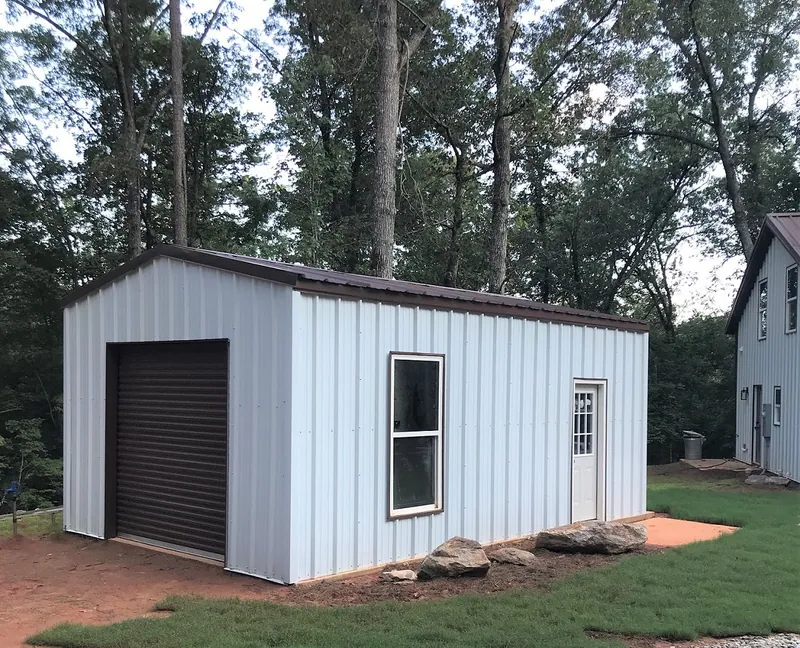
A 40×60 metal building offers 2,400 square feet of space, making it a versatile option for both personal and commercial use. Whether it’s a garage, storage facility, or agricultural shed, this size strikes a balance between affordability and usable area.
Many property owners prefer this configuration because it accommodates large equipment, vehicles, or even multiple rooms under one roof. Plus, with modern prefab steel structure pricing, these buildings are quick to install and built to last.
When calculating your investment, it’s essential to look beyond the base price and consider how your material choices, location, and customization affect the total steel building cost.
Material and Frame Options
The materials you select play a major role in determining the overall cost of a 40×60 structure. Here’s how:
- Steel Frame Buildings:
These are the most common options, known for strength, durability, and low maintenance. The cost typically ranges between $10-$25 per square foot depending on the gauge and coating. - Rigid Frame Structures:
Ideal for heavy-duty commercial applications, rigid frame systems offer superior support but come at a slightly higher price. - Prefabricated Building Kits:
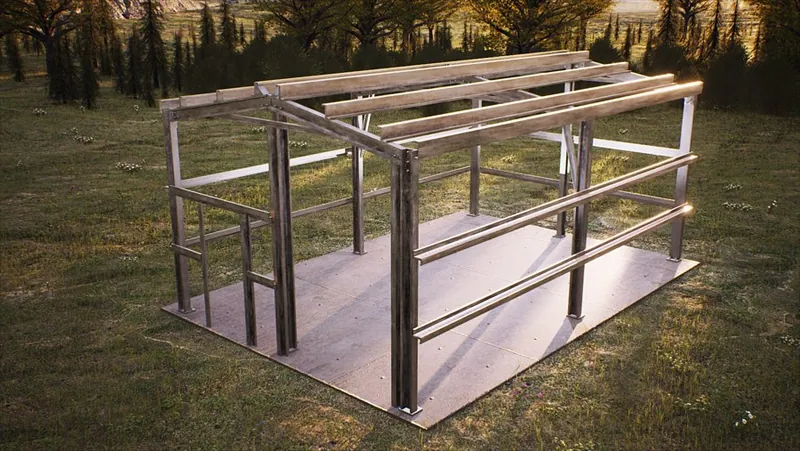
A building kit includes pre-engineered steel components that are ready to assemble on-site. These kits reduce labor costs and shorten construction time, making them a budget-friendly choice for many buyers.
The choice of frame, roof style, and panel thickness all impact how much you’ll pay upfront and in the long run.
Average Price Range Explained
The average cost of a 40×60 metal building in 2025 generally falls between $35,000 and $75,000. However, this can vary based on your design and installation preferences.
Here’s a quick breakdown of typical costs:
| Building Type | Estimated Cost per Square Foot | Average Total Cost |
| Basic Building Kit | $15 – $20 | $36,000 – $48,000 |
| Mid-Range (Insulated + Custom Doors) | $20 – $30 | $48,000 – $72,000 |
| Premium (Commercial Grade) | $30 – $35 | $72,000 – $84,000 |
These prices usually cover materials but may exclude delivery, site prep, or labor.
Additional Customization Costs
Every customization adds to the total prefab steel structure pricing. Some of the most common upgrades include:
- Insulation and HVAC: Adds comfort and energy efficiency but can cost $2,000-$5,000 extra.
- Windows and Skylights: Improve natural light but may add $50-$150 per unit.
- Custom Doors: Overhead or roll-up doors increase convenience but cost more.
- Interior Walls or Partitions: Ideal for multi-use buildings or office conversions.
- Exterior Finishes: Siding, paint, and decorative trims can personalize your space and add curb appeal.
Keep in mind that small upgrades quickly add up, so define your needs before finalizing your design.
Key Factors Affecting Cost
Several key factors influence the final price of a 40×60 metal building:
- Location: Costs differ by state due to local building codes, weather conditions, and zoning regulations.
- Building Purpose: Residential units typically require less reinforcement than commercial or industrial ones.
- Design Complexity: Custom rooflines or framing increase material and labor costs.
- Market Steel Prices: Global steel rates fluctuate and directly impact overall cost.
- Foundation Type: A reinforced concrete slab can add $5-$10 per square foot.
Consulting with a trusted supplier like QE Buildings can help you get accurate pricing tailored to your region and project needs.
Installation and Labor Expenses
Labor is another major factor in determining the steel building cost. While building kits are designed for faster assembly, professional installation ensures safety and code compliance.
- DIY Installation: Saves money but requires proper equipment and skills.
- Professional Installation: Typically adds $5-$10 per square foot depending on the structure’s complexity.
Labor costs can fluctuate depending on factors like site access, permit requirements, and even weather conditions. Working with experienced builders helps you save time and avoid expensive errors during construction whether you’re figuring out do I need a permit for a metal building or learning how to seal the bottom of a metal building for better protection and longevity.
Conclusion
Understanding what is the average cost of a 40×60 metal building helps you plan your budget smartly and avoid unexpected expenses. From materials and customization to location and labor, several elements shape the final price tag.
If you’re ready to start planning your project, explore our Metal Building options to find the right fit for your needs. Or get in touch with us at QE Buildings for a free, personalized quote today.
FAQs
1. How much does a 40×60 metal building typically cost?
The average cost ranges from $35,000 to $75,000 depending on materials, design, and labor.
2. What factors influence the price of a 40×60 steel building?
Material type, customization, location, and market steel prices are key cost drivers.
3. Does the cost include installation and materials?
Base prices usually cover materials, but labor and site preparation are often additional.
4. How do location and zoning affect building costs?
Different areas have varying permit fees and construction codes, impacting total costs.
5. Are prices different for residential vs. commercial use?
Yes. Residential projects generally cost less, while commercial buildings require higher structural standards and finishes.