
How to Seal the Bottom of a Metal Building: Prevent Moisture, Pests, and Energy Loss
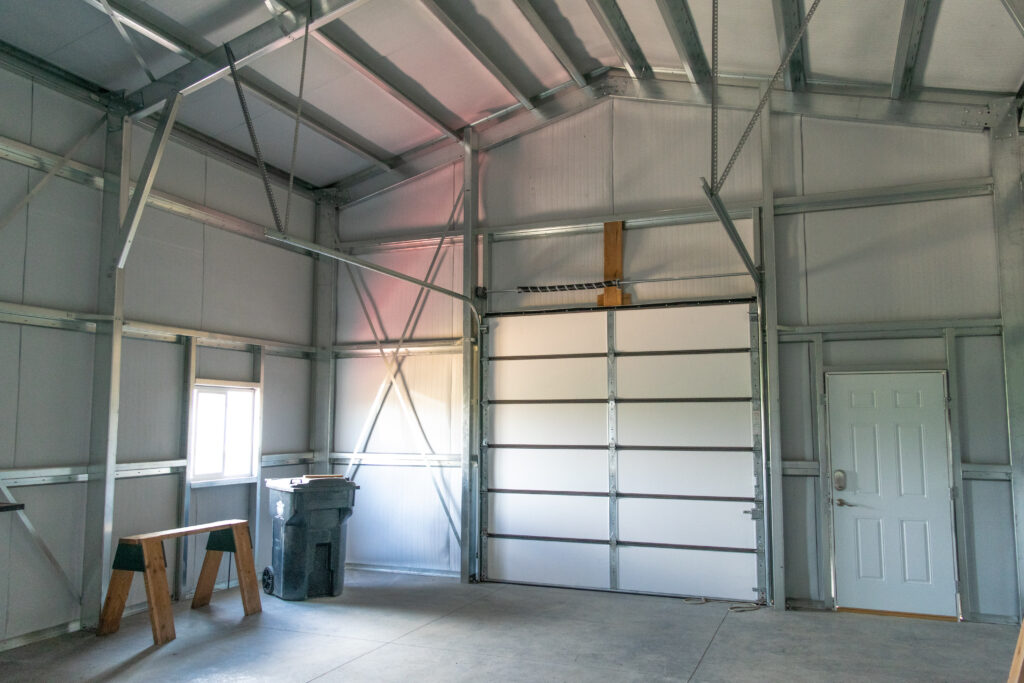
A properly sealed metal building doesn’t just look good, it performs better. If you’re wondering how to seal the bottom of a metal building, you’re already taking the right step toward protecting your investment. Sealing the base of your structure helps prevent moisture damage, air leaks, and pest infestations while improving overall energy efficiency.
In this guide, we’ll walk you through why sealing matters, the common problems if you skip it, and the most effective ways to get the job done.
Why Sealing Is Important
Metal buildings are durable, but without a good seal, they’re vulnerable to moisture, drafts, and unwanted critters. Over time, small gaps between the metal building foundation and wall panels can allow water and air to seep through. This leads to rust, corrosion, mold, and energy loss.
A well-sealed metal building base also keeps insulation dry, maintaining indoor temperature and reducing heating or cooling costs. Whether you’re constructing a new structure or maintaining an existing one, sealing should be a top priority.
Common Problems Without Sealing
If the bottom of your metal building isn’t properly sealed, you might face:
- Moisture intrusion: Rainwater or condensation can pool near the base, weakening the foundation.
- Air leakage: Gaps create drafts that reduce insulation efficiency and increase energy bills.
- Pest invasion: Rodents and insects often enter through unsealed edges.
- Structural damage: Over time, trapped water can corrode steel and rot supporting materials.
These issues can quickly add up to expensive repairs. Preventing them is much easier, and more affordable, than fixing them later.
Preparing the Building Base
Before sealing, proper preparation ensures lasting results.
- Inspect the base: Look for cracks, gaps, or uneven surfaces along the concrete slab or base rail.
- Clean thoroughly: Remove dirt, oil, or debris to help the sealant adhere properly.
- Check for drainage: Ensure water flows away from the building’s foundation to reduce future leaks.
- Dry the area: Sealing over damp surfaces reduces effectiveness and causes premature cracking.
Taking the time to prep the surface ensures the sealant bonds securely and lasts longer.
Step-by-Step Sealing Process
Here’s a simple breakdown of how to seal the bottom of your metal building:
- Apply foam closure strips along the base rail to close gaps between panels and foundation.
- Use a high-quality silicone or polyurethane sealant to fill visible cracks and seams.
- Add a moisture barrier, such as a rubber or vinyl base trim, to prevent water intrusion.
- Install insulation seals where necessary for better temperature control.
- Inspect your work to ensure there are no missed areas or uneven applications.
Following this step-by-step sealing process helps protect your structure from both internal and external elements.
Preventing Moisture and Air Leaks
One of the main goals of sealing is preventing moisture and air leaks that can damage the structure or raise energy costs.
- Use proper insulation seals to minimize condensation and maintain indoor comfort.
- Install a vapor barrier between the concrete and steel structure to block ground moisture.
- Inspect seals annually and reapply if you notice cracks or peeling.
These simple practices keep your steel structure in top shape and extend its lifespan.
Professional vs. DIY Sealing
When it comes to sealing, you can either do it yourself or hire professionals.
- DIY sealing: Ideal for smaller metal buildings or minor touch-ups. You’ll need basic tools and high-quality sealants.
- Professional sealing: Recommended for larger projects or severe moisture problems. Experts have access to better materials and equipment for long-lasting results.
If you’re unsure about the best approach, contact QE Buildings for professional advice and reliable service. Their team specializes in metal building options designed for performance and durability.
Conclusion
Sealing the bottom of your metal building is a simple yet powerful way to increase its lifespan, improve energy efficiency, and avoid expensive repairs. With the right materials and approach, you can protect your investment for the long haul, whether you’re exploring how to make a metal building look better or comparing what is the average cost of a 40×60 metal building before starting your next project.
Ready to ensure your metal building stays dry and damage-free? Get in touch with us at QE Buildings today to learn how our experts can help you seal, maintain, and strengthen your structure.
FAQs
1. Why is it important to seal the bottom of a metal building?
Sealing prevents moisture, air leaks, and pests from entering, protecting the structure and improving insulation efficiency.
2. What materials are best for sealing a metal building base?
Silicone or polyurethane sealants, foam closure strips, and moisture barriers are commonly used for effective sealing.
3. Can I seal a metal building myself, or should I hire a professional?
You can DIY for smaller buildings, but professional sealing is best for large or commercial structures to ensure long-lasting protection.
4. How do I prevent moisture from entering through the foundation?
Use vapor barriers and ensure proper drainage around the concrete slab to reduce water accumulation.
5. What type of sealant works best for steel structures?
High-quality silicone or polyurethane sealants are ideal, as they provide flexibility, weather resistance, and strong adhesion.