
Do I Need a Permit for a Metal Building? Everything You Should Know Before Building
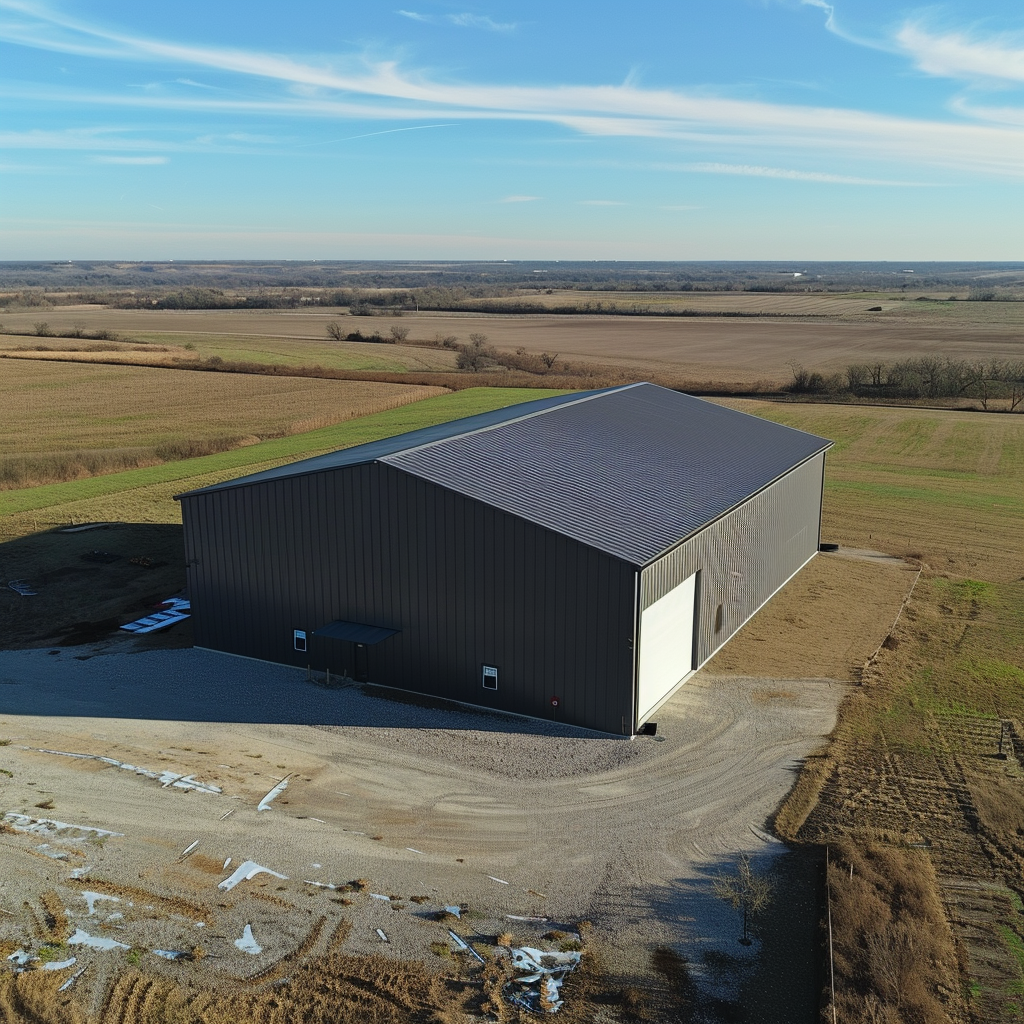
Building a metal structure on your property is an exciting project, but one of the first questions homeowners ask is: Do I need a permit for a metal building? The short answer, most of the time, yes. Getting the right building permit ensures your structure meets local zoning regulations, safety codes, and legal compliance. Here’s a complete guide to help you understand when and why you need one.
Understanding Building Permit Basics
Before you start construction, it’s important to know what a building permit is and why it matters. A building permit is an official approval issued by your local government that allows you to build or modify a structure on your property.
For metal buildings, this step ensures your project meets safety standards for steel structures, aligns with zoning regulations, and is built according to state and local codes. Whether you’re planning a residential metal building like a garage or a commercial metal structure for business, securing a permit protects you from future fines or construction delays.
Residential vs. Commercial Rules
When asking “do I need a permit for a metal building,” the answer often depends on the type of property.
- Residential Metal Buildings:
For garages, workshops, or backyard storage units, most local governments require a residential metal building permit. This ensures your building doesn’t violate neighborhood or homeowner association (HOA) rules. - Commercial Metal Buildings:
Commercial projects, such as warehouses or office spaces, need stricter commercial metal building approval. These permits often involve additional safety checks, occupancy limits, and environmental regulations.
Understanding these distinctions early helps you avoid costly rework or penalties down the line.
Why Permits Are Required
Local authorities require permits to ensure your metal building follows construction compliance standards. Permits protect you, your investment, and your community.
Here’s why they’re important:
- Safety: Confirms your structure meets load, wind, and fire safety requirements.
- Zoning Compliance: Ensures your steel structure fits within property setbacks and land-use rules.
- Insurance Coverage: Some insurers won’t cover unpermitted buildings.
- Resale Value: When selling your property, buyers and appraisers often check for proper permits.
Skipping this step may seem tempting, but the consequences can include hefty fines or even demolition orders.
Steps to Getting Approved
The construction permit application process might sound overwhelming, but breaking it down into steps makes it manageable.
- Contact Local Authorities: Start with your city or county building department.
Submit Plans: Provide blueprints or structural designs of your metal building. - Review and Approval: Officials review the plans to ensure they comply with zoning laws and safety codes.
Inspection: After construction, an inspector verifies that the building matches approved plans. - Final Approval: Once cleared, you’ll receive a certificate confirming compliance.
If you work with an experienced provider like QE Buildings, their team can guide you through the entire permitting process to save time and stress.
Factors That Determine Permit Needs
Several factors influence whether you need a permit for your metal building project:
- Building Size and Height: Larger structures often require stricter review.
- Intended Use: Living spaces or commercial uses always need permits.
- Foundation Type: Permanent foundations typically trigger permit requirements.
- Location and Zoning: Urban areas have more regulations than rural ones.
- Local Codes: Every state and county in the USA has unique zoning laws for metal buildings.
When in doubt, check with your local planning department before placing your order or breaking ground.
Common Mistakes to Avoid
Many homeowners make simple yet costly mistakes when applying for permits:
- Starting construction before approval
- Submitting incomplete plans
- Ignoring HOA or neighborhood regulations
- Not checking zoning restrictions
- Underestimating timelines
Avoiding these common mistakes helps you sidestep delays and makes the permit process smoother from start to finish. It also gives you time to focus on the details that matter like choosing what is the best insulation for a metal building or learning what is wainscoting on a metal building to enhance both comfort and curb appeal.
Conclusion
Whether you’re building a home workshop or a large steel warehouse, understanding metal building permit requirements is crucial. It keeps your project safe, compliant, and legally sound.
If you’re unsure where to begin, QE Buildings can help you navigate every step, from design to installation. Explore your Metal Building options or get in touch with us to start planning your project with confidence.
FAQs
1. Do I need a permit to build a metal building on my property?
Yes, in most cases, you’ll need one. Permit requirements depend on your building’s size, use, and local zoning laws.
2. What types of metal buildings require permits?
Residential garages, workshops, and commercial warehouses typically require permits to ensure compliance with local regulations.
3. How do local zoning laws affect my project?
Zoning laws dictate where you can build, how tall your structure can be, and its intended use.
4. What happens if I build without a permit?
You may face fines, legal issues, or be required to remove or rebuild the structure to meet legal code.
5. How long does it take to get a building permit?
Processing times vary but typically range from a few weeks to a couple of months depending on local workload and project complexity.